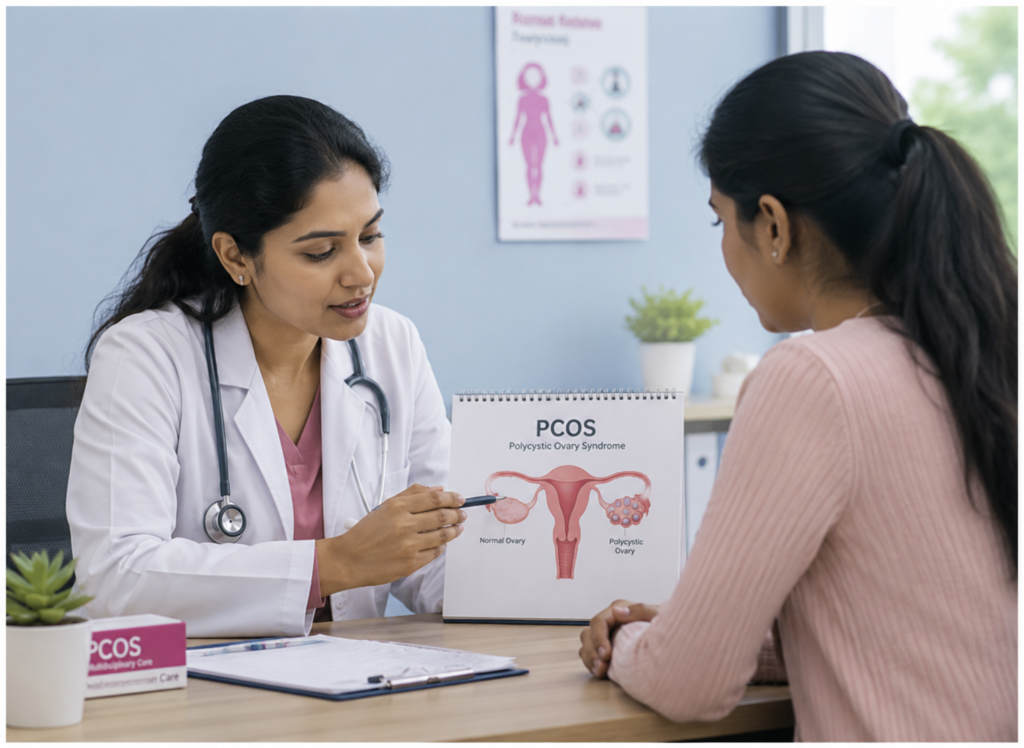
PCOS (Polycystic Ovary Syndrome) and PCOD (Polycystic Ovarian Disease) are among the most common hormonal conditions affecting women today. Although these terms are often used interchangeably, they are different conditions that require proper diagnosis and individualized treatment.
Many women experience irregular periods, acne, weight gain, excessive hair growth, or difficulty conceiving without realizing that these symptoms may be linked to hormonal imbalance. Ignoring these signs can lead to long-term health complications that affect both reproductive and overall health.
Understanding the differences between PCOS and PCOD helps women make informed healthcare decisions and seek timely medical attention before symptoms become more serious.
Understanding PCOD
PCOD occurs when the ovaries produce immature or partially mature eggs that develop into small cysts over time. This condition is commonly associated with hormonal imbalance and irregular ovulation.
While PCOD can affect menstrual cycles and fertility, it is often manageable through healthy lifestyle changes, balanced nutrition, regular exercise, and appropriate medical care. Early diagnosis allows women to control symptoms effectively and improve their quality of life.
Understanding PCOS
PCOS is a more complex hormonal and metabolic condition that affects ovulation and hormone production. Women with PCOS may produce higher levels of androgens, which can interfere with normal ovarian function and reproductive health.
In addition to irregular periods, PCOS may increase the risk of diabetes, high blood pressure, obesity, and other metabolic disorders if left untreated. Because symptoms vary from person to person, early evaluation by a gynecologist is essential.
“Early diagnosis and personalized treatment can help women manage PCOS and PCOD while protecting their long-term health and fertility.”
Symptoms You Should Never Ignore
Hormonal disorders often develop gradually, making it easy to overlook the warning signs. Persistent irregular periods, sudden weight gain, severe acne, excessive facial or body hair, hair thinning, mood changes, and difficulty becoming pregnant should never be ignored.
These symptoms may not always indicate PCOS or PCOD, but they should be evaluated by a qualified healthcare professional to identify the underlying cause and begin appropriate treatment.
How Are These Conditions Diagnosed?
Diagnosis begins with understanding your medical history, menstrual cycle, symptoms, and overall health. Your gynecologist may recommend blood tests to evaluate hormone levels and an ultrasound scan to assess ovarian health.
A comprehensive evaluation helps rule out other medical conditions and ensures that treatment is tailored specifically to your healthcare needs.
Treatment Focuses On You
There is no single treatment that works for every woman. The most effective care plan depends on your symptoms, age, lifestyle, and future pregnancy goals.
Treatment may include lifestyle modifications, nutritional guidance, medications to regulate hormones, weight management strategies, and fertility support when required. Regular follow-up appointments help monitor progress and adjust treatment as your health needs change.
Living A Healthy Life With PCOS Or PCOD
Managing hormonal health is a long-term commitment, but small daily habits can make a significant difference. Maintaining a balanced diet, staying physically active, managing stress, getting adequate sleep, and attending regular medical checkups all contribute to improved hormonal balance and overall well-being.
With the right guidance and consistent care, many women successfully manage their symptoms and lead healthy, fulfilling lives.
When Should You Consult A Specialist?
If you have irregular menstrual cycles, persistent acne, unexplained weight gain, excessive hair growth, or concerns about fertility, it is important to seek medical advice without delay.
At Medilux Healthcare, our experienced specialists provide personalized diagnosis, comprehensive evaluations, and evidence-based treatment plans designed to support every stage of a woman’s health journey.
Early care can make all the difference. Taking the first step today can help protect your reproductive health and improve your overall quality of life.
